Mindfulness vs Meditation: Are They Really the Same Thing?
The Surprising Truth: Why I Thought I Knew the Difference (and Was Wrong)
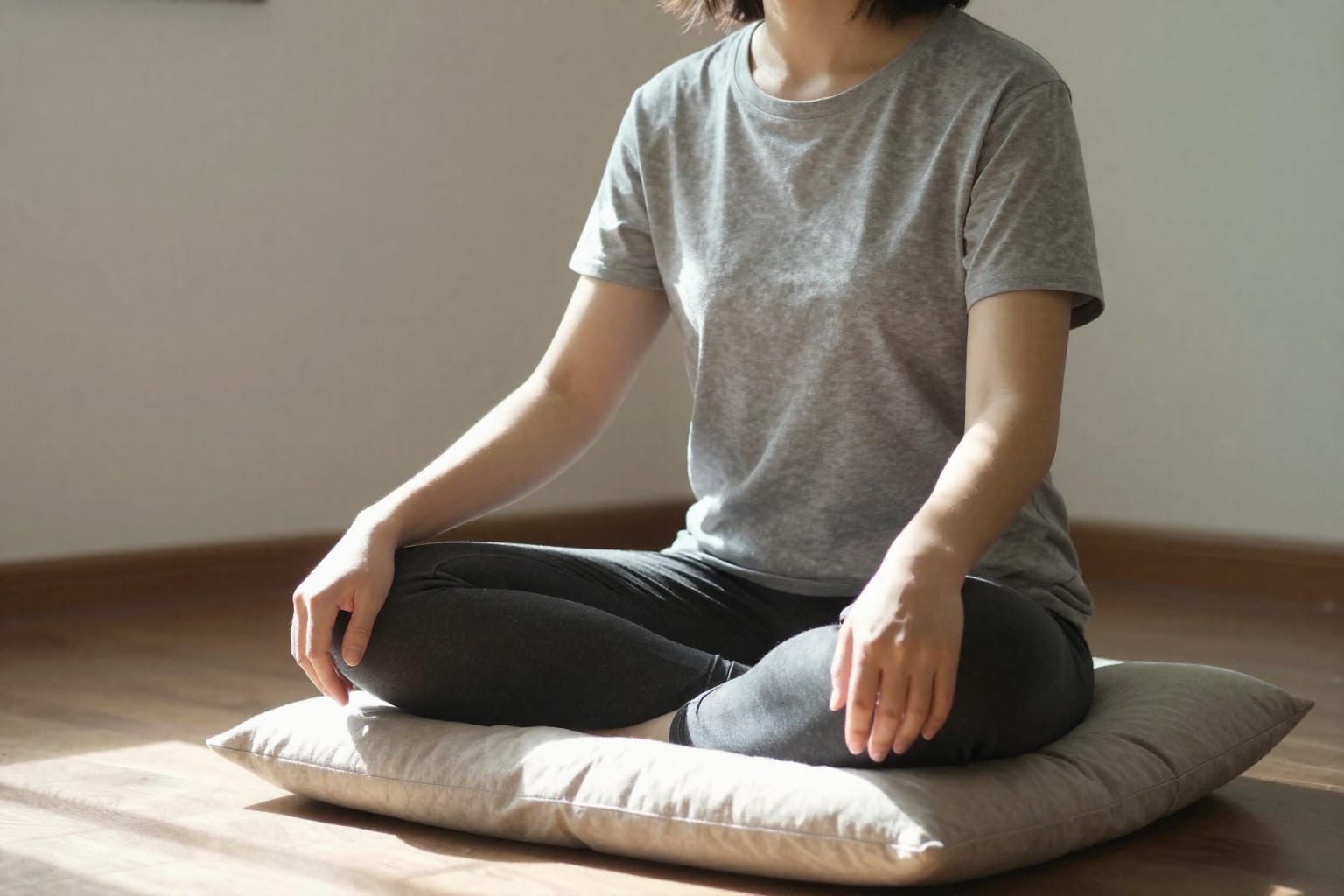
I sat cross-legged on my living room floor, back straight, hands resting on my knees. The app told me to 'focus on my breath.' I did. And then I spent the next ten minutes cataloging every noise in the apartment—the fridge hum, the distant siren, my neighbor’s TV. By the end, I was more agitated than when I started. I closed the app and muttered, 'Meditation isn’t for me.'
Looking back, that was my first real lesson in the difference between mindfulness and meditation. I’d assumed they were the same thing—two fancy words for sitting still and clearing your mind. But I was wrong. And if you’ve ever felt frustrated by meditation or confused by what mindfulness actually means, you’re not alone. The confusion is common, and it’s the reason so many people give up before they experience any real benefit.
The truth is, mindfulness and meditation are related, but they’re not interchangeable. One is a formal practice you do on a cushion; the other is a way of living your life. Understanding that distinction changed how I approach stress relief—and it might change yours, too.
What Meditation Actually Is (The Formal Practice)
Let’s start with meditation. When most people picture meditation, they imagine someone sitting in lotus position, eyes closed, utterly still. That’s one version, but meditation is broader than that. At its core, meditation is a structured technique—a deliberate practice you set aside time for. You sit (or lie down, or walk) with the intention of training your attention.
There are two main families of meditation. Focused attention meditation asks you to anchor your mind on a single object—the breath, a mantra, a candle flame. When your mind wanders (and it will), you gently bring it back. This builds concentration and mental discipline. Open-monitoring meditation, on the other hand, invites you to observe whatever arises—thoughts, sounds, sensations—without latching onto any of them. It’s like sitting on a park bench watching traffic go by, except the traffic is your own mind.
A common misconception is that meditation means having a blank mind. That’s not only wrong; it’s discouraging. Thoughts will come. The skill isn’t stopping them—it’s noticing when you’ve drifted and returning to your anchor. I remember my first week of daily meditation: I felt like a failure because I couldn’t stop thinking about my grocery list. But my teacher said something that stuck: 'Every time you notice you’re distracted and come back, that’s a rep. You just did a mental push-up.'
Meditation is the gym for your attention. You go there deliberately, for a set time, to build a skill. But what happens when you leave the gym? That’s where mindfulness comes in.
What Mindfulness Really Means (The Way of Being)
If meditation is the formal workout, mindfulness is the quality you carry into the rest of your day. Jon Kabat-Zinn, who pioneered Mindfulness-Based Stress Reduction (MBSR) at the University of Massachusetts Medical School, defines mindfulness as 'paying attention in a particular way: on purpose, in the present moment, and non-judgmentally.'
Notice what that definition doesn’t include: a cushion, a timer, or a specific posture. Mindfulness is a way of being. You can practice it while brushing your teeth, walking to the bus stop, eating a sandwich, or listening to a friend talk about their day. The key is bringing your full attention to whatever you’re doing, without judging it as good or bad.
For me, the lightbulb moment came during a mundane chore: washing dishes. I used to rush through it, mentally already on the next task. But one evening, I decided to try mindfulness. I felt the warmth of the water on my hands, noticed the scent of the soap, watched the bubbles slide off a plate. It sounds trivial, but that simple shift made the chore feel less like a burden and more like a brief pause in a busy day. I wasn’t meditating—I was just being mindful.
That’s the core difference: meditation is something you do, often on a schedule. Mindfulness is something you cultivate—a lens through which you experience life. You don’t need a special time or place for it. It’s available in every moment, if you choose to show up.
Where They Overlap and Where They Diverge
So, are mindfulness and meditation the same thing? No. But they’re deeply connected. Think of meditation as the training ground and mindfulness as the real-world application. When you meditate, you’re practicing the skill of mindful attention. Over time, that skill spills over into daily life—you notice when you’re tensing your shoulders during a stressful email, or you catch yourself zoning out during a conversation and gently return your focus.
Here’s a quick comparison table to make the distinction concrete:
- Meditation: Formal practice, time-bound (e.g., 10 minutes), often uses an anchor (breath, mantra), requires deliberate effort, builds concentration and awareness.
- Mindfulness: A quality of attention, continuous (anytime, anywhere), no anchor required, flows naturally once trained, reduces reactivity and increases presence.
One of the most counter-intuitive insights I’ve learned is that not all meditation is mindful. Some meditation styles focus intensely on a single object (like a visualization or a repeated mantra), which can actually narrow your awareness rather than open it. That’s concentration, not mindfulness. And conversely, you can be mindful without meditating by simply bringing your attention to the present during ordinary activities.
But here’s the thing: for most people, the two work best together. Meditation trains the muscle; mindfulness helps you use it when it counts. If you only meditate but never bring awareness into your daily life, you might feel calm on the cushion but frazzled off it. If you only try to be mindful without ever practicing formal meditation, you might struggle to sustain attention when stress hits.
A concrete example: I have a friend named Sarah who started a 5-minute daily meditation practice. After three weeks, she noticed she could catch herself before snapping at her kids during morning chaos. She didn’t become a saint—she still got frustrated—but she gained a split-second pause. That pause is mindfulness in action. The meditation built the capacity; the real-life moment was where it mattered.
How to Use Both Together for Real Stress Relief
If you’re looking to reduce stress, the best approach is to combine both practices in a way that fits your life. Here’s a simple routine that takes less than 15 minutes a day and doesn’t require any special equipment:
- Morning micro-meditation (5 minutes): Set a timer, sit comfortably, and focus on your breath. When your mind wanders, label the thought 'thinking' and return to the breath. This trains your attention muscle for the day ahead.
- Mindfulness anchor (3 times a day, 30 seconds each): Pick three routine moments—like your first sip of coffee, washing your hands, or waiting for a traffic light. During each, bring full attention to the sensory experience. Feel the warmth, the water, the breeze.
- Evening reflection (2 minutes): Before bed, scan your day for one moment where you were fully present. It could be a laugh with a coworker or the taste of dinner. Acknowledge it without judgment. This reinforces the habit of noticing.
What I love about this combination is its flexibility. You don’t need a perfect, quiet space. You can do the micro-meditation on a park bench, and the mindfulness anchors fit into any schedule. If you’re new to meditation, start with just two minutes and work up. The goal isn’t to become a monk; it’s to build a sustainable practice that actually reduces stress.
One trade-off worth noting: formal meditation can sometimes feel like a chore, especially in the beginning. It’s okay to skip a day or switch to a walking meditation if sitting feels unbearable. Mindfulness, by contrast, rarely feels like a burden because it’s woven into activities you’re already doing. The key is to be honest with yourself about what works for you, not what you think should work.
Frequently Asked Questions
Can you be mindful without meditating?
Absolutely. Mindfulness is a quality you can cultivate through everyday activities like eating, walking, or listening, without a formal seated practice. Many people start with mindfulness exercises before ever trying meditation.
Is meditation always mindful?
Not necessarily. Some meditation practices focus on concentration, visualization, or mantra repetition, which don’t require moment-to-moment awareness of the present. These are valuable skills, but they’re different from mindfulness.
Which is better for anxiety: mindfulness or meditation?
Both can help, but mindfulness is often more accessible for daily stress management, while formal meditation may build deeper resilience over time. For acute anxiety, a quick mindfulness anchor (like noticing the sensation of your feet on the floor) can provide immediate relief.
Do I need to sit still to practice mindfulness?
No, mindfulness can be practiced while walking, eating, doing dishes, or even during conversations—any activity where you bring full attention to the present. Movement-based practices like yoga or tai chi also incorporate mindfulness.
How long does it take to see benefits from either practice?
Some people notice calmness after a single session, but lasting changes typically emerge with consistent practice over several weeks, even just 5-10 minutes a day. The American Psychological Association has published research showing measurable stress reduction after eight weeks of regular practice.
Practical Takeaway
Mindfulness and meditation aren’t the same thing, but they’re partners. Meditation is the formal practice that builds your attention muscle; mindfulness is the quality you bring into everyday life. Start small—two minutes of meditation and one mindful moment per day. Over time, the line between them blurs, and you realize you’re not just managing stress; you’re living more fully. That’s the real reward.
Worth bookmarking before your next stressful day—this combo has saved me more times than I can count.